
Good Preschool Singapore Traits that Support Early Development
Choosing the right early learning centre shapes your child’s future in ways you might not expect. A good preschool Singapore offers more than basic childcare – it builds the foundation for lifelong learning. The quality of these early years determines how well children adapt to formal schooling later.
Singapore’s education system places high value on early childhood development. Parents often struggle to identify what makes one centre better than another. Understanding key traits helps you make the best choice for your family’s needs.
What Makes A Quality Early Learning Environment
Safe And Nurturing Physical Spaces
The best early learning centres create environments where children feel secure and confident. Clean, well-maintained facilities show attention to detail and care for children’s wellbeing. Proper safety measures include secure entry points, child-proofed areas, and age-appropriate equipment throughout.
Outdoor play areas provide essential space for physical development and exploration. Indoor spaces should feel warm and welcoming rather than sterile or overwhelming. Natural light and proper ventilation contribute to a healthy learning atmosphere that supports children’s growth.
Storage systems keep materials organised and accessible to young learners. Child-sized furniture and equipment help little ones develop independence and confidence. The physical environment serves as the third teacher in quality early childhood programmes.
Age-Appropriate Learning Materials And Resources
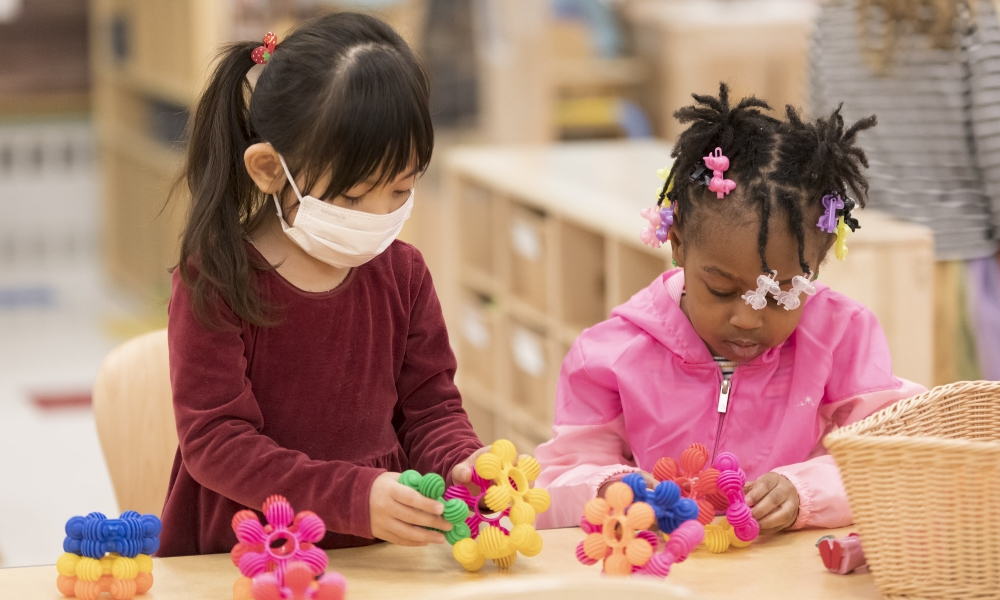
A great preschool Singapore invests in educational materials that match children’s developmental stages. Books, puzzles, art supplies, and learning toys should challenge without frustrating young minds. Quality centres rotate materials regularly to maintain interest and engagement.
Technology integration happens thoughtfully rather than as a replacement for hands-on learning. Digital tools complement traditional activities when used appropriately for this age group. Interactive learning stations allow children to explore different subjects at their own pace.
Sensory materials support children who learn through touch, movement, and exploration. Musical instruments, building blocks, and craft supplies encourage creativity and problem-solving skills. The variety of available resources reflects the centre’s commitment to meeting diverse learning needs.
Qualified Teaching Staff And Their Approach
Professional Qualifications And Training
Experienced educators understand child development milestones and adapt teaching methods accordingly. Qualified teachers hold relevant certifications in early childhood education or related fields. Ongoing professional development keeps staff current with best practices and new research.
Low teacher-to-child ratios ensure each student receives adequate attention and support. Good preschool Singapore centres invest in staff retention through competitive compensation and growth opportunities. Stable teaching teams build stronger relationships with children and families.
Regular training sessions cover topics like behaviour management, curriculum planning, and child safety. Teachers who pursue additional qualifications demonstrate commitment to their profession and student success. The quality of instruction directly impacts children’s learning outcomes and school readiness.
Communication Skills With Children And Parents
Effective teachers communicate clearly with young children using age-appropriate language and methods. They listen actively to children’s questions and concerns while encouraging self-expression. Strong communication skills help teachers guide behaviour positively rather than through punishment alone.
Parent communication happens regularly through various channels including face-to-face meetings and written updates. Teachers share specific examples of children’s progress and areas for growth. Open dialogue between home and school supports consistent learning approaches.
Documentation of children’s activities and achievements helps parents understand daily experiences. Regular progress reports provide insights into social, emotional, and academic development. Transparent communication builds trust between families and educational teams.
Structured Yet Flexible Daily Routines
Balanced Learning And Play Activities
Quality centres understand that play is children’s primary method of learning and development. Structured activities teach specific skills while free play encourages creativity and social interaction. The balance between guided instruction and independent exploration supports different learning styles.
Academic readiness develops naturally through engaging activities rather than formal drilling or testing. Reading circles, counting games, and science experiments make learning enjoyable and memorable. Art, music, and movement activities support whole-child development beyond academic skills alone.
Transition times between activities are planned carefully to minimise disruption and maintain engagement. A good preschool Singapore recognises that young children need variety and flexibility in their daily schedule. Consistent routines provide security while allowing for spontaneous learning opportunities.
Time For Rest And Reflection
Young children require downtime to process new experiences and recharge their energy levels. Quiet time activities include independent reading, puzzle solving, or simple relaxation exercises. Rest periods prevent overstimulation and support emotional regulation throughout the day.
Reflection activities help children think about their learning and express their thoughts and feelings. Circle time discussions encourage sharing and listening skills while building classroom community. These moments of calm support social-emotional development alongside academic growth.
Flexible scheduling accommodates children’s varying energy levels and attention spans throughout the day. Some children need more active time while others benefit from additional quiet activities. Good centres adapt their approach to meet individual needs within the group setting.
Strong Foundation For Future Learning
Social And Emotional Development Focus
Children learn to navigate relationships and manage emotions through guided social interactions. Conflict resolution skills develop when teachers help children work through disagreements peacefully. Emotional vocabulary grows as educators help identify and express different feelings appropriately.
Cooperation and teamwork skills emerge through group projects and collaborative play experiences. Children practice sharing, taking turns, and considering others’ perspectives in daily activities. These social skills prove essential for success in primary school and beyond.
Self-regulation abilities develop when children learn to control impulses and follow classroom expectations. A good preschool Singapore teaches children to recognise their emotions and choose appropriate responses. Building emotional intelligence at this age supports lifelong mental health and relationships.
School Readiness Skills Development
Pre-literacy skills develop through storytelling, phonics activities, and exposure to print in meaningful contexts. Fine motor skills strengthen through writing practice, cutting activities, and manipulative play. Mathematical concepts emerge through counting, sorting, and pattern recognition games.
Independence skills grow as children learn to care for their belongings and complete tasks without constant assistance. Following multi-step directions prepares children for the increased expectations of formal schooling. Problem-solving abilities develop through open-ended activities and challenges.
Curiosity and love of learning are nurtured through engaging experiences and positive reinforcement. Children who enjoy their early learning experiences approach future challenges with confidence and enthusiasm. The foundation built during these years influences academic success throughout their educational journey.
Selecting a good preschool Singapore requires careful consideration of these essential traits and characteristics. Quality early childhood education supports your child’s development across all areas of growth. The investment in excellent early learning pays dividends throughout your child’s academic and personal life.