Are Quiet Students at an Advantage or Disadvantage in Enrichment Classes?
Key Takeaways
- Quiet students in a Chinese enrichment class are not automatically disadvantaged; outcomes depend on teaching approach and class structure.
- Primary Chinese tuition that balances participation and reflection can convert quiet tendencies into consistent academic gains.
- Passive silence is the risk factor, not quietness itself; structured engagement is key.
- Teachers who actively monitor participation prevent quiet students from falling behind unnoticed.
Introduction
Student personality plays a significant role in how learning is absorbed and demonstrated in both primary Chinese tuition and any Chinese enrichment class. Quiet students are often perceived as either disciplined learners or disengaged participants, depending on the classroom dynamics. The reality is less binary. Quietness can offer clear advantages in language acquisition, but it can also mask gaps in understanding if not managed properly. Whether quiet students succeed or struggle depends largely on how the learning environment is structured and how teachers draw out participation without forcing it.
Where Quiet Students Have an Advantage
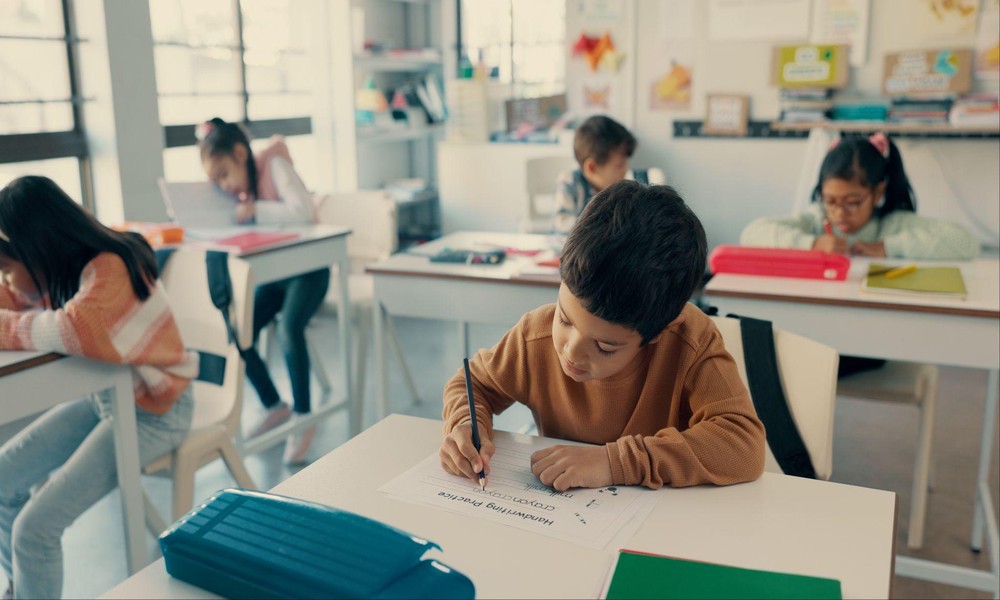
Quiet students often perform well in structured academic settings because they tend to focus, listen carefully, and avoid unnecessary distractions. This instance translates into stronger retention of vocabulary, better comprehension of sentence structures, and fewer careless mistakes in written work in the enrichment class. Unlike more vocal peers, they are less likely to interrupt learning flow, allowing them to process material at a steady pace.
Similarly, in primary Chinese tuition, where repetition and reinforcement are essential, quiet students may benefit from their ability to sit through drills, copying exercises, and reading practices without resistance. This consistency builds a solid foundation, especially in areas such as character recognition and composition. Over time, their quiet discipline can lead to measurable academic improvements, particularly in written assessments where independent thinking matters more than verbal participation.
Where Quietness Becomes a Disadvantage
The main risk is not quietness itself, but unexpressed confusion. Students in a Chinese enrichment class are often expected to read aloud, answer comprehension questions, and practise conversational Mandarin. Quiet students who avoid speaking may miss out on pronunciation correction, tone accuracy, and real-time feedback. This situation can create a gap between written competence and oral ability.
Meanwhile, in primary Chinese tuition, teachers may assume that a quiet student understands the material simply because they are not asking questions. This assumption can be misleading. After all, without active participation, misunderstandings-especially in grammar or sentence construction-can go unnoticed until they appear in tests. Over time, this leads to uneven skill development, where reading and writing are strong, but listening and speaking lag behind.
The Role of Teaching Style in Outcomes
The effectiveness of a Chinese enrichment class for quiet students depends heavily on how the teacher structures interaction. Classrooms that rely solely on voluntary participation tend to favour more outspoken students, leaving quieter ones in the background. In contrast, well-managed primary Chinese tuition incorporates structured turn-taking, small group discussions, and targeted questioning to ensure that every student contributes.
Teachers who actively track participation-rather than waiting for students to speak up-are more likely to identify gaps early. Techniques such as guided reading, paired practice, and low-pressure speaking tasks help quiet students engage without discomfort. This approach ensures that silence does not translate into invisibility.
Quiet vs Passive-A Critical Distinction
It is important to distinguish between a quiet student and a passive learner. Quiet students can still be highly engaged, mentally processing information and completing tasks effectively. On the other hand, passive learners disengage regardless of how vocal they appear. Remember, in a Chinese enrichment class, the goal is not to make quiet students louder, but to ensure they are actively involved in the learning process.
Primary Chinese tuition that emphasises accountability-through written exercises, oral checks, and regular feedback-helps bridge this gap. Once engagement is measured through multiple channels, quiet students are less likely to fall through the cracks unnoticed.
Conclusion
Quiet students are neither inherently advantaged nor disadvantaged in a Chinese enrichment class. Their outcomes depend on whether their quietness is supported with structured engagement or left unaddressed. After all, in primary Chinese tuition, quiet discipline can lead to strong academic performance, but only if balanced with opportunities to practise speaking and clarify doubts. The focus should not be on changing the student’s personality, but on adapting the teaching approach to ensure consistent, visible participation.
Contact Hua Language Centre and discover a programme that builds both written strength and speaking confidence without forcing personality changes.