
Engineering the Future: Real-World STEM Projects That Prepare Students for Tomorrow’s Careers
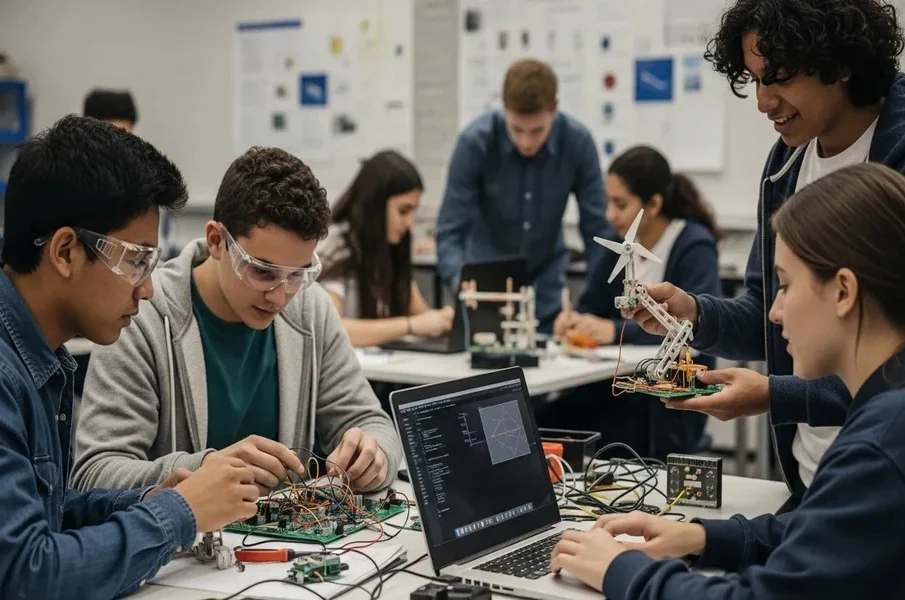
The future needs creative thinkers. It needs skilled problem solvers. Modern classrooms now support this goal. Students learn through active exploration. They build practical knowledge daily. The learning process feels meaningful. It also feels exciting and relevant. Now many schools embrace project-based learning approaches that connect lessons with workplace expectations. Programs from Mission.io help create engaging experiences that inspire curiosity and growth. Real-world STEM learning develops confidence. It also prepares learners for future careers.
Understanding STEM Through Real Challenges
STEM education becomes stronger through action. Students learn best through experience. The classroom becomes a testing ground. Ideas turn into working solutions. The learning journey feels authentic. Sometimes students explore environmental challenges and create practical solutions using teamwork. They investigate local issues carefully. They gather useful information. They test different possibilities. The process builds analytical thinking. It also develops persistence. These experiences create stronger connections between knowledge and application.
Technology Projects Create Future Readiness
Technology continues changing industries rapidly. Students need practical exposure early. Digital tools support creative learning. They encourage active participation. Mission.io creates immersive experiences that connect classroom concepts with meaningful challenges. Learners explore coding concepts. They develop digital solutions. They understand system thinking better. The experience feels exciting and relevant. The projects encourage collaboration.
Connecting Science Learning with Careers
Science becomes more meaningful through projects. Students investigate real situations. They test ideas carefully. They evaluate available evidence. The process develops scientific habits. It encourages informed decision making. The classroom transforms into an innovation space where students explore authentic questions. Learners examine environmental systems. They study renewable energy concepts. They observe patterns and outcomes. But the greatest benefit comes from applying knowledge in practical situations. Career pathways become easier to understand. Students see the value of scientific thinking.
Preparing Tomorrow’s Problem Solvers
Future careers require adaptability. They require strong collaboration skills. Real-world projects support both goals. Students learn through meaningful tasks. They gain valuable experience. The confidence developed through practical learning often influences future educational choices. hands-on STEM projects for grades 6 through 8 encourage curiosity and independent thinking while supporting deeper understanding. Students learn how challenges evolve. They learn how solutions improve. Mission.io helps create engaging learning opportunities that reflect workplace environments and expectations. The result is stronger preparation for future success. Learners develop resilience. They become capable innovators ready for emerging opportunities.
FAQ
How Can STEM Projects Mirror Professional Workplace Environments?
STEM projects create realistic challenges that require planning collaboration testing and solution improvement similar to modern workplaces.
Why Do Immersive STEM Activities Improve Student Engagement?
Immersive experiences create meaningful goals and active participation which strengthen focus motivation and long-term learning retention.
How Can STEM Projects Support Communication Development?
Students explain ideas present findings and discuss solutions which improves professional communication abilities naturally.
How Do STEM Projects Help Career Exploration?
Students experience authentic tasks connected with engineering technology and science fields which improves career awareness.