What to Expect When Your Child Starts Kindergarten: A Parent’s Guide to a Confident First Term
Starting kindergarten is a big milestone, for children and parents alike. It’s often the first time your child will have a regular routine outside of home, build relationships with new adults, and spend time learning and playing in a structured environment.
It’s completely normal to feel a mix of excitement and nerves. You might be wondering how your child will settle, whether they’ll make friends, how they’ll cope with separation, and what their days will actually look like. The reassuring news is that most children adapt far more quickly than we expect, especially when they’re supported by the right environment and a consistent home routine.
This guide will walk you through what to expect when your child starts kindergarten, how to support them through the transition, and what really makes a positive first term.
The first few weeks: a period of adjustment
Even when children are ready, the first few weeks can feel like a lot. There are new sights, sounds, faces, and routines, plus plenty of stimulation. Some children run straight in with confidence, while others take time to warm up. Both are completely normal.
You may notice your child being more tired than usual after their sessions, or wanting extra cuddles and reassurance at home. This isn’t a sign that something is going wrong. It’s simply the result of lots of learning, socialising, and adapting in a new space.
A helpful mindset is to see the start as a transition, not a test. Your child doesn’t need to “get it right” immediately. They just need time and steady support.
Helping your child settle: simple things that work
There’s no single magic solution for settling, but there are a few tried-and-tested approaches that help most children.
1) Keep drop-offs calm and consistent
Children benefit from predictable goodbye routines. A short hug, a clear phrase (like “I’ll see you after lunch”), and a confident handover to staff usually works best.
2) Practise small independence at home
Encourage your child to do little things themselves, even if it takes longer at first. Putting shoes on, washing hands, feeding themselves, and tidying toys all help build confidence.
3) Stick to a steady routine
A consistent bedtime and morning rhythm makes the transition smoother. When children are rested, they cope better with new situations.
4) Talk about kindergarten positively
Keep the language upbeat, but realistic. Instead of saying “you’ll love it!”, try “you’ll have lots to do, and the teachers will look after you.”
What children learn in kindergarten (without it feeling like “school”)
A strong kindergarten environment supports learning in a way that feels natural and enjoyable. Young children learn through play, exploration, and interaction, not sitting at desks or being pressured to perform.
In the early years, your child is developing key foundations that will support them for life, such as:
- communication and language
- confidence and independence
- sharing and turn-taking
- early literacy through stories and songs
- early maths through patterns, counting, and sorting
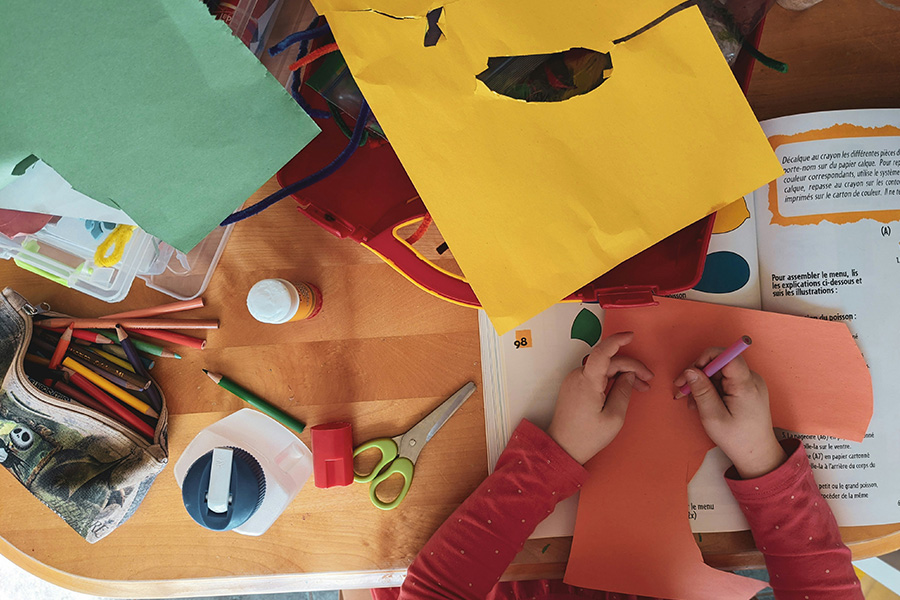
- creative expression through art and imagination
- physical development through movement and play
The learning often happens in small moments: a conversation during snack time, teamwork in a building activity, or a story that sparks curiosity.
Friendships and social skills: a huge part of the experience
For many children, one of the biggest benefits of kindergarten is the social side. This is where they learn to play alongside others, express their needs, handle little disagreements, and start building early friendships.
It’s not unusual for friendships to change quickly in the beginning. Children often gravitate towards whoever they’re playing with that day, and that’s healthy.
What matters most is that the staff create a supportive atmosphere where children feel included, encouraged, and able to communicate safely. These experiences help children develop empathy, resilience, and emotional awareness.
Communication with parents: what good support looks like
A great kindergarten will keep parents informed, reassured, and involved. You should feel confident about your child’s wellbeing, and comfortable asking questions whenever you need to.
Strong communication often includes:
- updates about your child’s day and routine
- feedback on progress and development
- a clear point of contact (often a key person)
- openness around how children are settling
- support if challenges come up
This partnership between home and kindergarten helps children feel secure, because the adults in their world are working together.
Choosing the right setting: trust your instincts
When you visit a kindergarten, it’s not just about the facilities. It’s about how the space feels. Does it seem calm and welcoming? Are the children engaged? Do staff speak kindly and attentively?
You should also feel comfortable as a parent. If staff are approachable, patient, and willing to explain things clearly, that’s a great sign.
If you’re currently exploring options and would like to learn more about a nurturing early years setting, you can visit knightsbridge kindergarten to find out more.
A final word: your child is more capable than you think
Starting kindergarten is a big step, but it’s also a wonderful one. It’s where children begin growing their confidence, building friendships, and discovering new interests.
There may be a few emotional moments in the early days, and that’s completely normal. With time, consistency, and the right support, your child will begin to feel at home in their new routine.
And one day soon, you’ll hear all about their favourite activity, their new friend, and the exciting thing they can’t wait to do again tomorrow.