Building Positive Classroom Habits During Early Childhood
Key Highlights
- Positive classroom habits help toddlers adapt to routines more smoothly.
- Daily routines encourage responsibility during early childhood.
- Classroom expectations help children build confidence and participation.
- Social interaction improves through consistent group activities.
- Structured habits encourage calmer classroom experiences.
Introduction
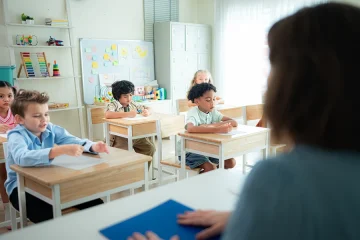
Early childhood routines shape the way children participate during classroom activities, communicate with classmates, and respond to teachers throughout the day. Positive habits introduced during toddler years can encourage smoother transitions while helping children feel comfortable during learning sessions.
Families searching for childcare in Yishun, Singapore, frequently value programmes encouraging confidence and independence during daily activities. Children attending kindergarten benefit from consistent routines helping them understand classroom expectations while encouraging positive participation during group interaction.
Morning Routines Encourage Confidence and Independence
Arrival routines create an incredibly important starting point during the busy school day. Children entering lively classrooms with clear expectations settle comfortably during daily transitions from home to educational environments. Storing bags and greeting classmates help children practise personal responsibility smoothly.
Repeated routines drastically reduce uncertainty while encouraging independence over time. Teachers guiding toddlers through simple morning habits encourage familiarity during daily learning activities. Parents frequently appreciate structured programmes when exploring reliable childcare in Yishun, Singapore.
Kindergarten in Yishun, Singapore, enrollments ensure children feel completely prepared for the busy day ahead. Consistent arrival habits help young children recognise classroom expectations much more easily. Confidence grows naturally when little ones clearly understand what happens next during daily schedules.
Listening Habits Improve Classroom Participation
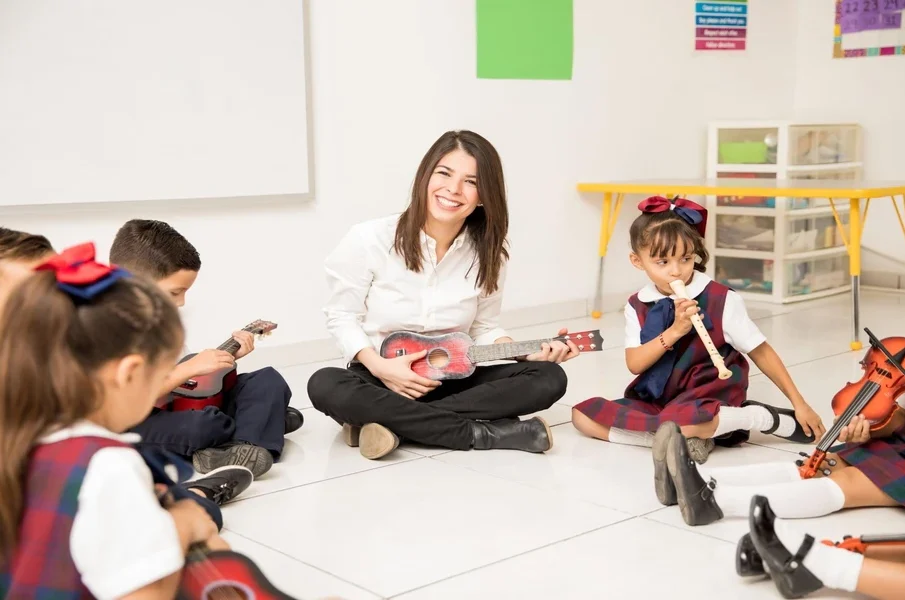
Listening skills influence classroom interaction significantly throughout early childhood development. Teachers introducing musical songs, lively storytelling sessions, or guided instructions encourage children to remain highly attentive. Finding excellent childcare in Yishun, Singapore, ensures that toddlers participate confidently during creative projects daily.
Better overall understanding encourages smoother transitions between activities while drastically reducing confusion during busy sessions. Children practising active listening habits follow complex directions flawlessly during fast-paced games. Group discussions become far more enjoyable when children understand polite turn-taking during conversations.
Teachers encourage consistent eye contact and waiting patiently to help toddlers practise vital communication habits. Families consistently value programmes encouraging respectful communication alongside premier early learning experiences. Listening habits developed inside any established kindergarten in Yishun, Singapore, encourage positive peer interactions and stronger participation.
Positive Social Habits Encourage Better Interaction
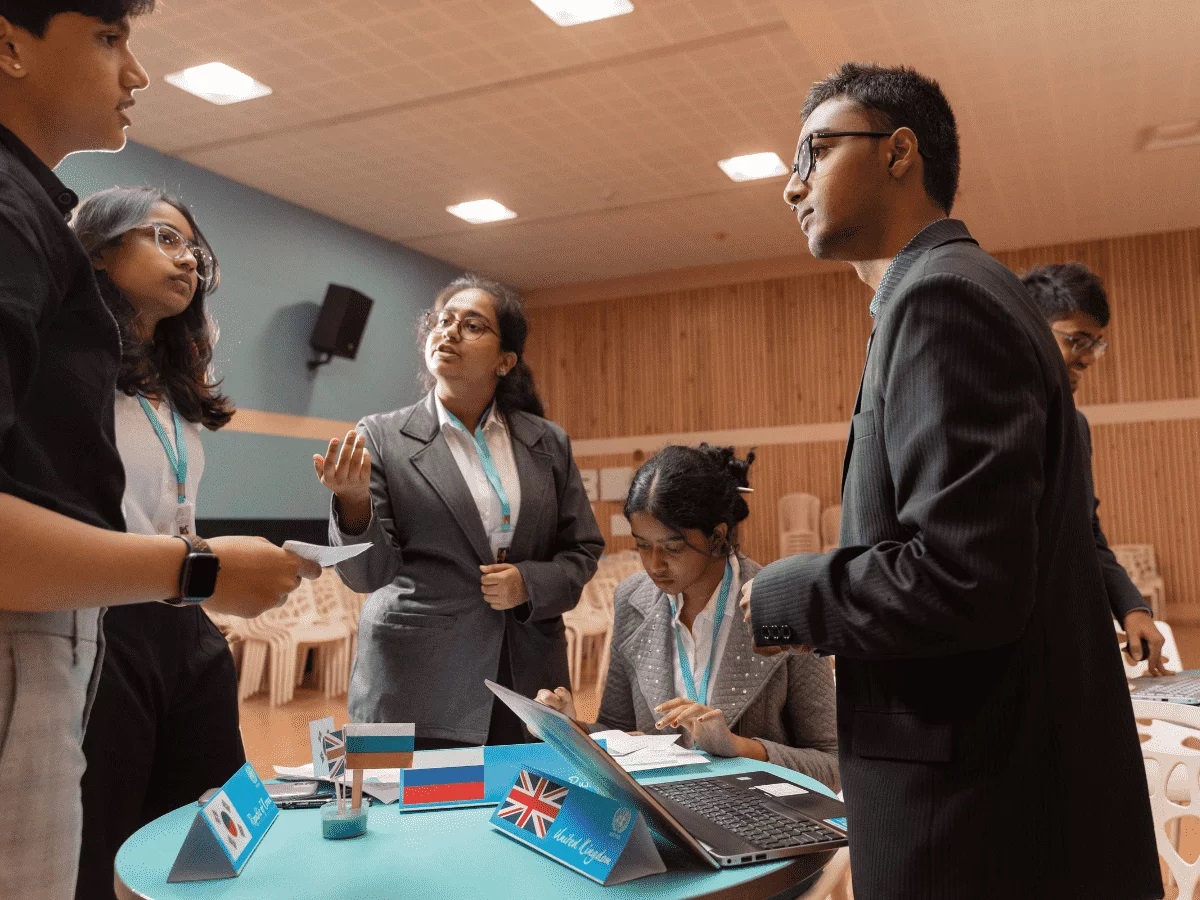
Classroom relationships become significantly easier when children actively practise positive interaction habits. Sharing educational materials, taking turns, and speaking kindly encourage smoother participation during group activities. Professionals working within a kindergarten in Yishun, Singapore, guide conflict resolution perfectly to encourage remarkable patience among classmates.
Children engaging in collaborative play sessions quickly develop familiarity with classroom expectations. Learning to communicate politely during shared tasks builds a wonderful foundation for healthy social growth. Building wooden blocks together or participating in pretend games helps children feel completely included during daily activities.
Positive interaction experiences consistently strengthen classroom confidence over time. Parents frequently appreciate environments encouraging healthy social development when exploring childcare in Yishun, Singapore. Daily routines encouraging positive behaviour during interactions guarantee young learners thrive naturally alongside their supportive peers.
Responsibility Habits Help Children Adapt to Structure
Childcare in Yishun, Singapore, introduces simple responsibilities to encourage total familiarity with classroom organisation early on. Cleaning activity areas, returning books, or preparing for meals helps children understand daily expectations. Practical routines build a strong foundation for future academic independence.
Children participating in minor classroom responsibilities feel significantly more involved during scheduled activities. Small tasks encourage independence while helping toddlers recognise routines connected to different parts of the day. Structured daily habits successfully create calmer classroom environments during complicated transitions.
Teachers encouraging responsibility through gentle praise help young learners remain engaged during daily participation. Familiar expectations dramatically encourage smoother adjustment during future primary school experiences. A quality kindergarten in Yishun, Singapore, guarantees students benefit immensely from positive routines encouraging ultimate classroom confidence.
Conclusion
Positive classroom habits encourage smoother routines, stronger communication, and better classroom participation during early childhood. Consistent guidance helps young learners build confidence while encouraging enjoyable daily learning experiences. These foundational skills ultimately prepare children for future academic success, fostering independence, emotional resilience, and a lifelong love for learning.
Contact Apple Tree Playhouse to explore childcare programmes designed to encourage positive habits and confident young learners.